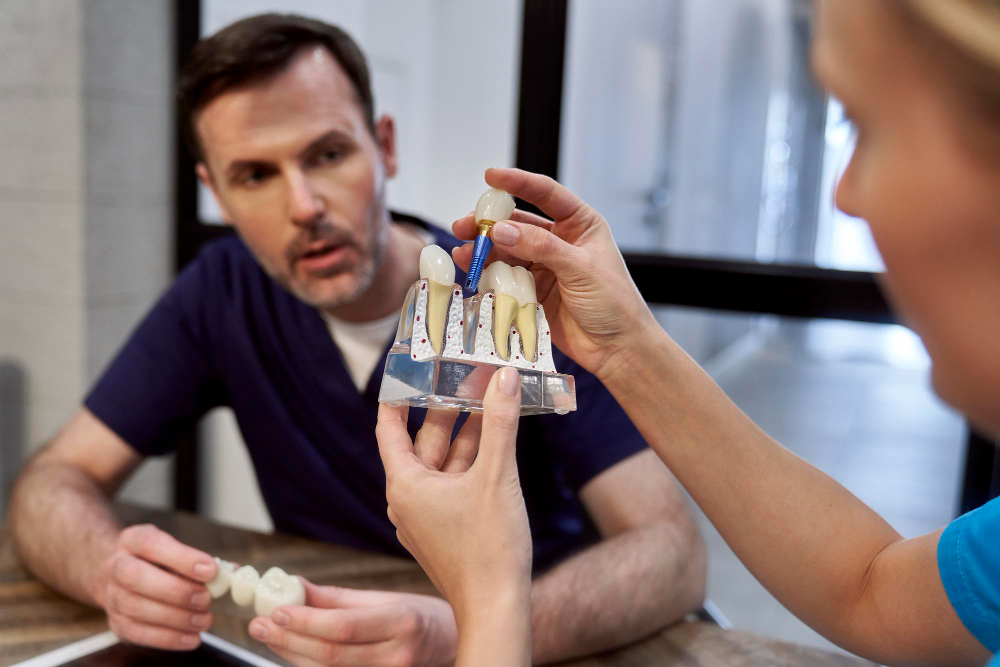
What Are Missing Teeth and Why Do They Matter?
Missing teeth are gaps in your mouth where a tooth or several teeth are gone. These gaps can happen for many reasons. For example, you might lose a tooth from an injury or decay. Dental replacement options can help fill these spaces. When teeth are missing, it can affect how you eat, speak, and smile. Over time, other teeth may shift into the empty space. This can cause more problems for your mouth and jaw. According to the World Health Organization (WHO), oral health is important for your overall well-being.
Common Causes of Missing Teeth
Many people lose teeth during their lives. Some common causes include:
Sometimes, teeth never develop at all. This is rare, but it can happen. The Centers for Disease Control and Prevention (CDC) notes that tooth loss is common in adults, especially as people age.
Health Risks and Complications of Untreated Tooth Loss
Untreated missing teeth can lead to more than just a gap in your smile. For instance, you may have trouble chewing certain foods. This can make it hard to eat a healthy diet. In addition, missing teeth can change the shape of your face. Over time, your jawbone may shrink where teeth are missing. This is called bone loss. As a result, your other teeth may shift and become loose. According to dental experts, untreated tooth loss can also affect your speech. You might find it hard to say some words clearly. Finally, missing teeth can lower your confidence and make you less likely to smile.
Overview of Dental Replacement Options
There are several missing teeth solutions available today. Dental replacement options include:
Each method has its own benefits and drawbacks. Your dentist can help you choose the best tooth replacement methods for your needs.
Pros and Cons of Each Replacement Option
Dentures
Dental Bridges
Dental Implants
How to Choose the Right Dental Replacement
Choosing how to replace missing teeth depends on your needs and health. For example, your dentist will look at your mouth, bone health, and budget. Some people may not be good candidates for implants if they have weak bones. Others may prefer dentures because they are less costly. In many cases, your dentist will explain the best tooth replacement methods for your situation. It is important to ask questions and share your concerns.
Tips for Caring for Dental Replacements
Once you have a dental replacement, you need to care for it. Good care helps it last longer. Here are some tips:
With proper care, dental replacements can last for many years.
Prevention Tips for Tooth Loss
Preventing tooth loss is possible with good habits. For instance, you should:
Consult Dr. Divya for dental replacement options.